Understanding Everyday Eating Patterns
An educational resource exploring how food fits into the rhythm of daily life, examining the contexts, occasions, and environments where eating naturally occurs.
Educational content only. No medical services. No promises of outcomes.

Daily Eating Occasions
Throughout any given day, eating occurs at various points shaped by routine, availability, and social circumstance. Morning meals often take place in domestic settings, while midday eating may happen in workplaces, educational institutions, or public spaces. Evening meals frequently serve as gatherings for households or social groups.
The timing of these occasions varies across individuals and communities. Some observe structured meal times, while others eat according to shifting schedules. Neither approach represents a standard; both reflect the diversity of daily life patterns.

Morning Contexts
Breakfast practices differ widely. Some households prepare hot meals, while others prefer quick options. The time available, household composition, and individual preference all influence morning eating patterns.

Evening Contexts
Evening meals often carry social dimensions. Whether eaten alone or shared, these occasions may involve more preparation time and serve as transition points between daytime activities and rest.
Home and Social Food Settings
Where eating takes place shapes the experience. Home kitchens and dining areas provide familiar environments, while cafes, restaurants, and communal spaces offer different atmospheres. Each setting carries its own conventions regarding behaviour, pace, and social interaction.
Social eating occasions—such as meals with colleagues, friends, or family—involve patterns distinct from solitary eating. Conversation, shared dishes, and collective timing characterise these moments.

Domestic Environments
Home settings allow for personalised routines. Kitchen layouts, available equipment, and storage arrangements all contribute to how food is prepared and consumed within households.
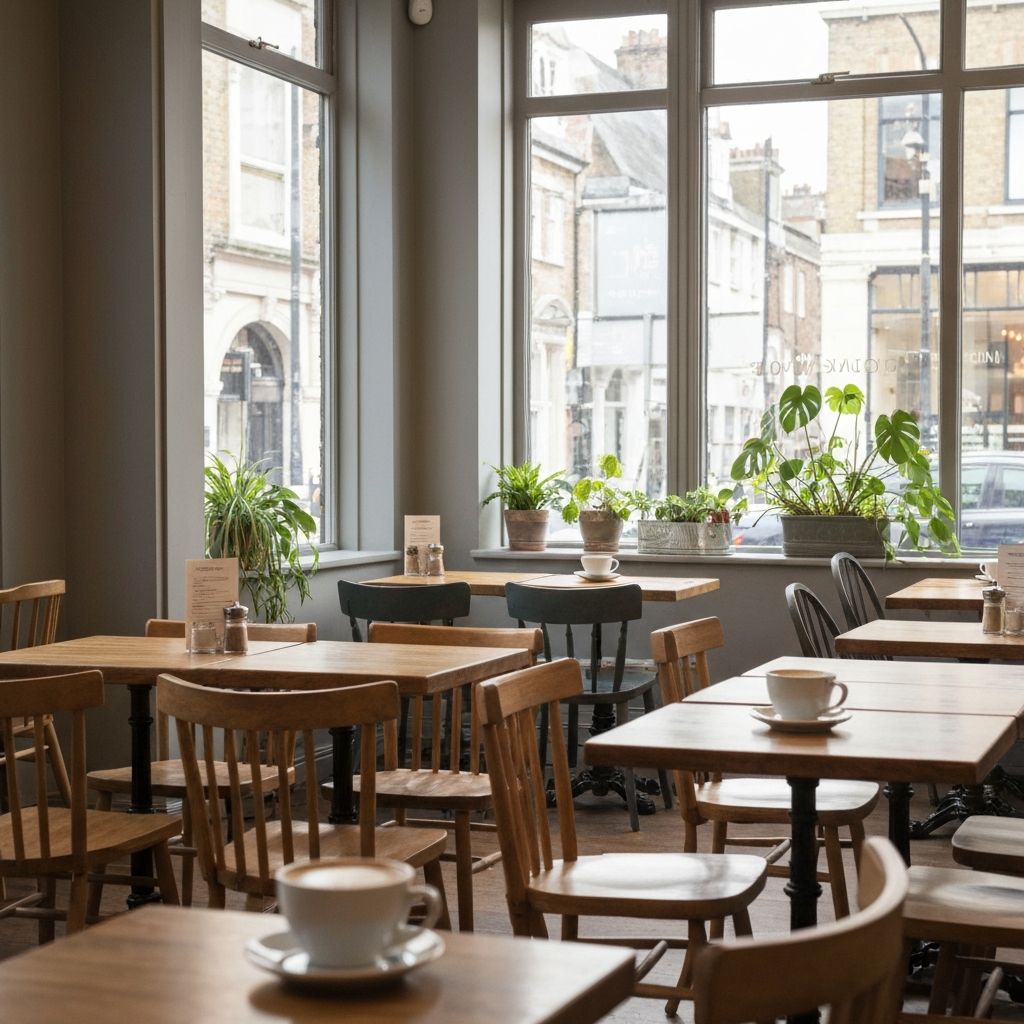
Public and Social Spaces
Cafes, canteens, and restaurants provide structured environments for eating. These spaces often define portion sizes, menu options, and seating arrangements that influence the eating experience.
Time-Based Eating Routines
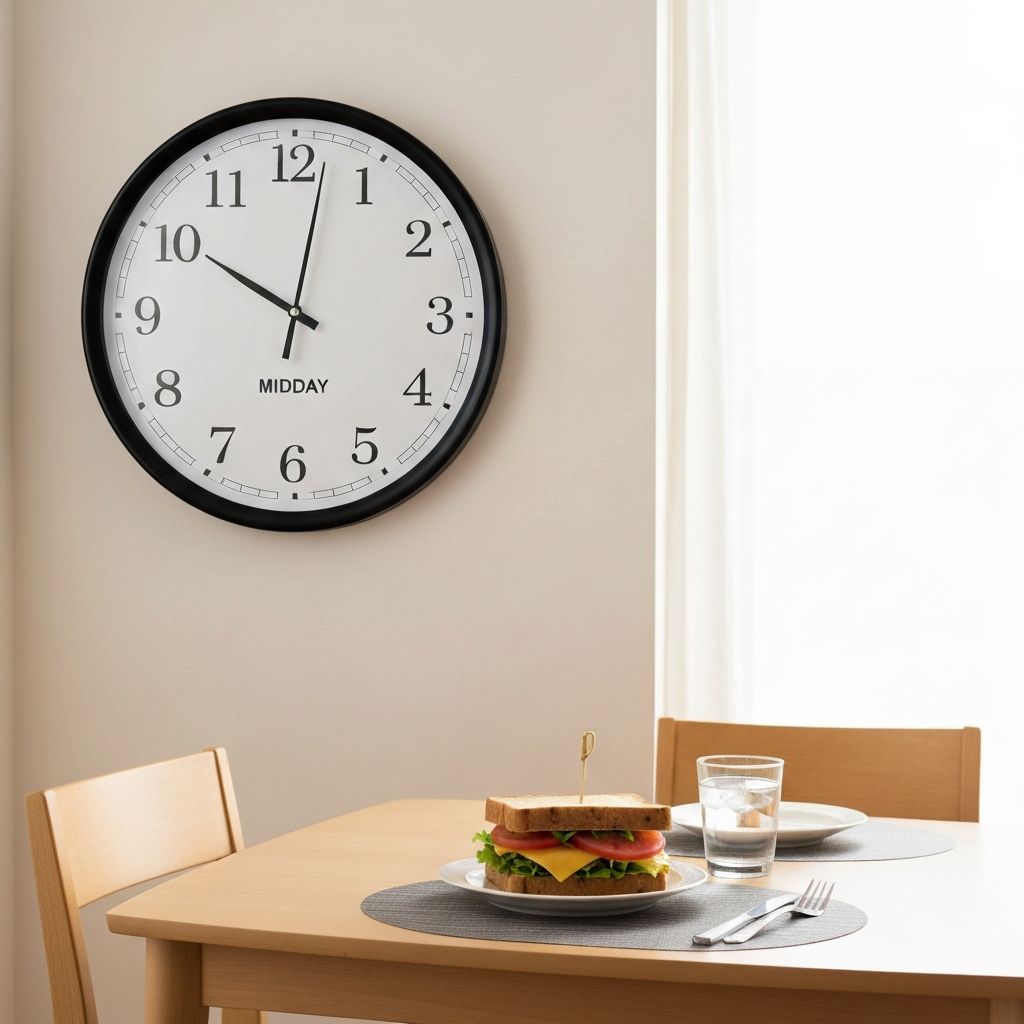
The relationship between time and eating reflects broader patterns of daily organisation. Work schedules, school timetables, and household responsibilities create frameworks within which meals are planned and consumed.
Weekday eating often differs from weekend patterns. Shifts between structured and flexible time may alter meal frequency, duration, and composition. Seasonal variations—including daylight hours and weather—also influence when and how eating occurs.
Cultural Context of Meals
Food practices carry cultural meaning. Traditions surrounding specific dishes, occasions for gathering, and customs related to hospitality all shape how communities approach eating. These patterns are passed through generations and adapted over time.
Regional and ethnic backgrounds contribute to varied approaches to meals. Ingredient selection, preparation methods, and serving styles reflect cultural heritage while also evolving with contemporary circumstances.

Traditional Practices
Many households maintain food customs connected to cultural background. These may include specific dishes for celebrations, particular ways of serving meals, or ingredients associated with regional identity.
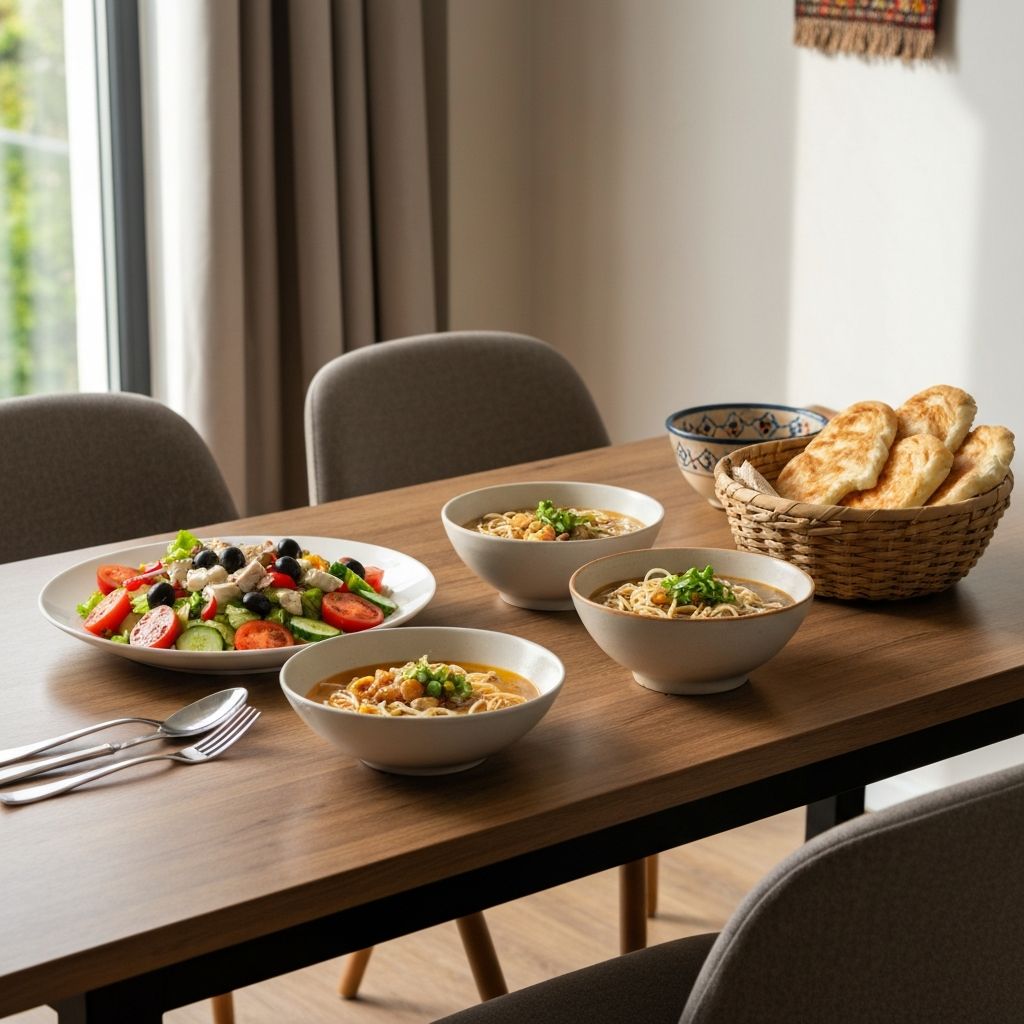
Contemporary Adaptations
Urban environments and global connections have introduced diverse food options. Many individuals navigate between traditional practices and newer influences, creating varied personal eating patterns.
Food Availability in Daily Life
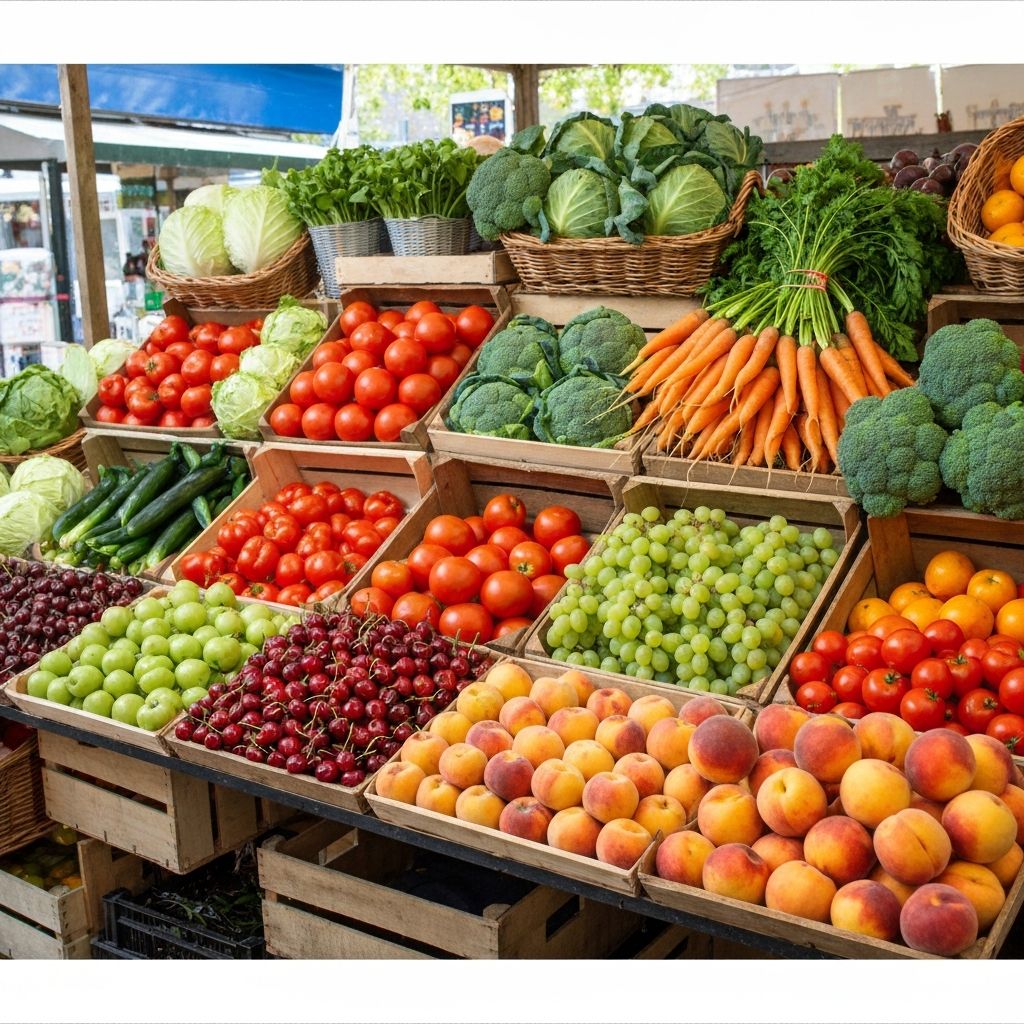
Access to food depends on multiple factors: proximity to shops and markets, household budgets, time available for shopping and preparation, and local infrastructure. Urban and rural areas present different landscapes of food availability.
Convenience options—such as prepared meals, takeaway services, and ready-to-eat products—have become part of many daily routines. These options exist alongside traditional cooking and home preparation.
Observational Notes on Eating Patterns
Eating patterns emerge from the intersection of personal preference, available resources, social context, and habitual behaviour. No single pattern characterises all individuals or communities. Variation is inherent to how people organise their daily food intake.
Observations of eating behaviour reveal complexity rather than uniformity. Factors such as household size, occupational demands, and life stage all contribute to the particular patterns any individual develops over time.

Limitations and Context
About This Content
The information presented on this website is educational in nature and intended to provide general context about everyday eating patterns. Please note:
- This content is informational only and does not constitute professional advice of any kind
- No individual recommendations are provided or implied
- Approaches to daily eating vary widely among individuals and communities
- This material does not replace personal judgement or professional consultation where appropriate
- All content describes general observations rather than prescribed practices
NutriContext exists to explain contexts and patterns, not to advise on personal choices or suggest changes to individual behaviour.
Frequently Asked Questions
What is the purpose of NutriContext?
NutriContext serves as an educational resource that explores how eating fits into everyday life. The site describes patterns, contexts, and social dimensions of food consumption without providing recommendations or advice.
Does this website provide meal plans or eating advice?
No. NutriContext does not offer meal plans, eating advice, or guidance on changing food habits. The content is purely descriptive and observational in nature.
Who creates the content on this site?
Content is developed by the NutriContext editorial team with a focus on presenting balanced, informational material about everyday eating contexts. No medical or nutritional claims are made.
Can I use this information for personal decisions?
This content provides general context only. Personal decisions regarding food and eating should be made according to individual circumstances and, where appropriate, in consultation with relevant professionals.
Is NutriContext affiliated with any commercial services?
No. NutriContext is an independent educational resource with no commercial affiliations, product endorsements, or service offerings.
Contact Us
If you have questions about the content on this site or wish to provide feedback, please use the form below or reach us through the contact details provided.
Explore More About Daily Eating Contexts
Learn about the environments, occasions, and patterns that shape how eating occurs in everyday life.
Read About NutriContext